
School meal responsibility and climate work
Food is one of the leading causes of climate emissions. What you eat, or what leaves your plate as food waste during the school day, matters.
Environmental impact of food production
Food production impacts:
- global warming
- biodiversity
- the eutrophication of water bodies.
Food consumption accounts for almost a third of our climate impact.
Products of animal origin are particularly harmful to the environment.
More tasty dishes on menus
The City of Helsinki aims to reduce CO2 emissions and combat climate change.
Palvelukeskus Helsinki develops school meals that comply with nutritional recommendations in cooperation with the Education Division.
Pupils are involved in the development process:
- by collecting continuous feedback
- by regularly conducting customer satisfaction and favourite food surveys
- by organising tasting panels.
Diverse plant proteins and fish dishes
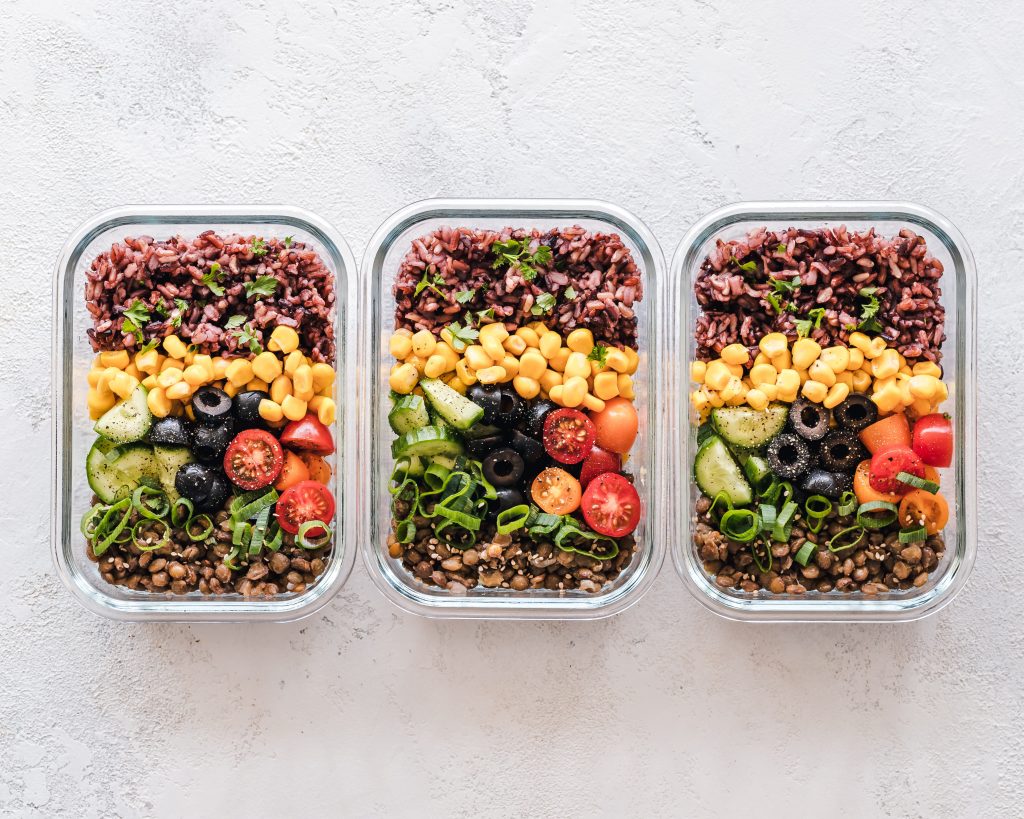
Various plant proteins have long been used in school meals. Plant proteins have a lesser impact on the environment than meat products. Our menus feature plant protein sources such as:
- Härkis
- Quorn
- Pulled oat
- tofu
- soybean strips and groats
- beans, lentils and peas.
In addition to this, the WWF fish guide has been observed in school meal services for more than 10 years. We use MSC-certified fish, domestic fish from the Baltic Sea or freshwater fish. We are constantly developing new fish dishes using Finnish wild fish, such as bream, perch and roach, as ingredients. Favouring fish from the Baltic Sea and freshwater fish can reduce eutrophication in the Baltic Sea and inland waters.
We test new plant proteins that can be used to replace meat on menus.
We are also developing responsibility criteria for ingredient procurements that steer us towards promoting the well-being of animals and combating climate change and biodiversity loss.